
Stainless Steel 304 vs 316: Which Grade Should You Choose?
Compare Stainless Steel 304 and 316 including composition, corrosion resistance, applications, pricing, and procurement considerations for industrial buyers.
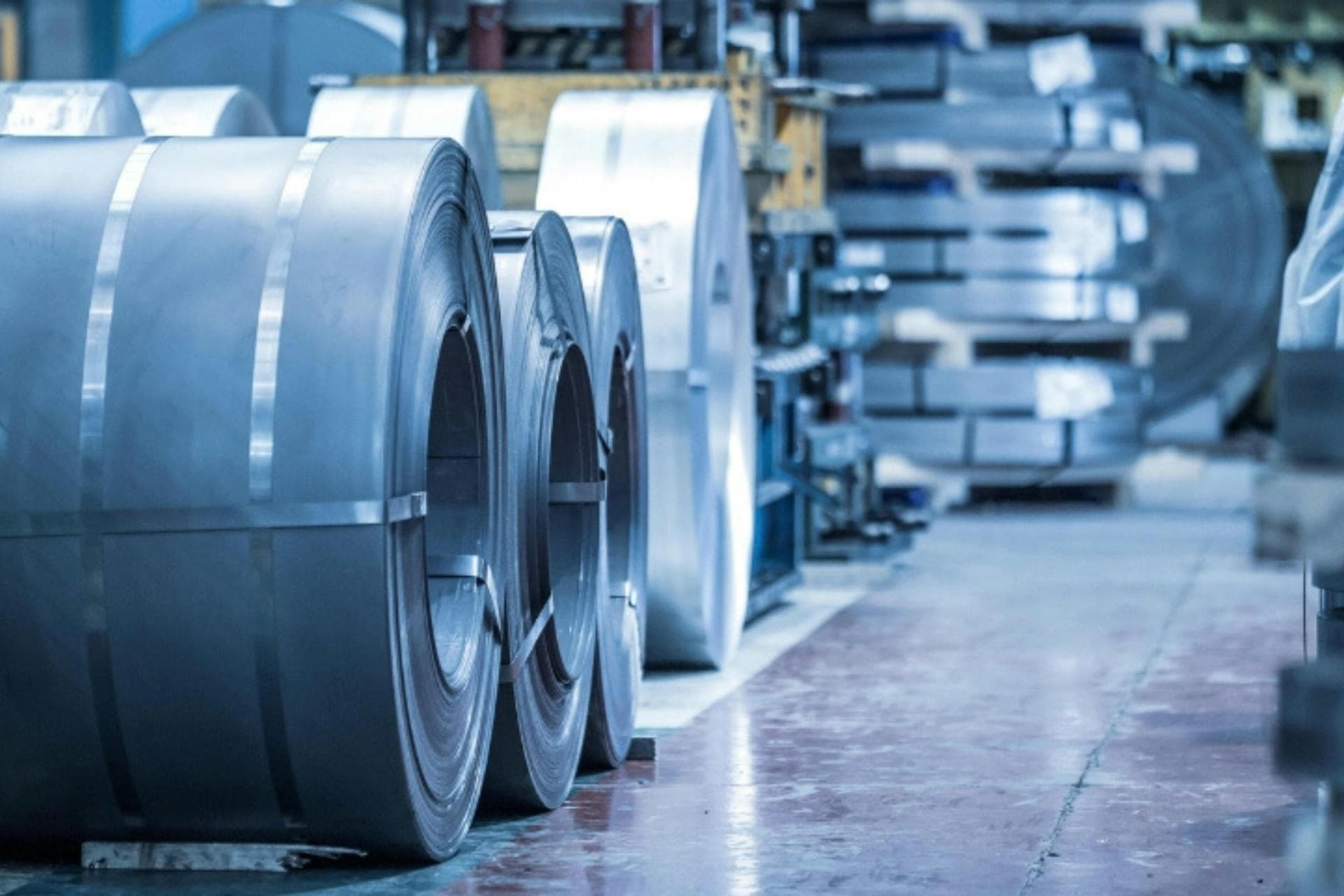
Stainless Steel 304 vs 316
Stainless steel grades 304 and 316 are among the most commonly used materials across manufacturing, fabrication, food processing, pharmaceuticals, chemical plants, and infrastructure projects.
Both grades belong to the austenitic stainless steel family and offer excellent corrosion resistance, but they are designed for different operating environments.
Quick Summary
This guide covers
- Difference between SS 304 and SS 316
- Corrosion resistance comparison
- Industrial applications
- Price comparison
Key Takeaway
SS 304 is suitable for most industrial and food-grade applications, while SS 316 is preferred for marine, pharmaceutical, and chemical environments.
What Are Stainless Steel 304 and 316?
Stainless Steel 304 and Stainless Steel 316 are chromium-nickel austenitic stainless steels widely used across industrial sectors.
The primary difference is that Stainless Steel 316 contains molybdenum, which significantly improves resistance against chlorides and chemicals.
Chemical Composition Comparison
| Element | SS 304 | SS 316 |
|---|---|---|
| Chromium | 18–20% | 16–18% |
| Nickel | 8–10.5% | 10–14% |
| Molybdenum | Not Present | 2–3% |
SS 316 performs better in chloride-rich environments because of molybdenum content.
Corrosion Resistance Comparison
| Environment | SS 304 | SS 316 |
|---|---|---|
| Food Processing | Excellent | Excellent |
| Coastal Environment | Moderate | Excellent |
| Marine Applications | Limited | Excellent |
| Chemical Plants | Moderate | Excellent |
Applications of SS 304
- Food processing equipment
- Commercial kitchens
- Storage tanks
- Architectural fabrication
- Decorative structures
Applications of SS 316
- Chemical storage tanks
- Pharmaceutical equipment
- Marine fittings
- Offshore structures
- Process piping
Price Comparison
SS 316 generally costs more because of:
- higher nickel content
- molybdenum addition
- better corrosion resistance
| Factor | SS 304 | SS 316 |
|---|---|---|
| Material Cost | Lower | Higher |
| Availability | High | Moderate |
| Maintenance Cost | Moderate | Lower |
Which Grade Should You Choose?
Choose SS 304 For
- Indoor applications
- Budget-sensitive projects
- Food-grade requirements
- General industrial fabrication
Choose SS 316 For
- Coastal installations
- Chemical processing
- Pharmaceutical facilities
- Marine environments
Conclusion
Selecting the correct stainless steel grade depends on operating conditions, corrosion exposure, maintenance expectations, and project budget.
For most general industrial applications, SS 304 offers excellent value and versatility.
For aggressive or chloride-rich environments, SS 316 provides superior long-term durability and corrosion resistance.
Frequently Asked Questions
Is SS 316 stronger than SS 304?
Mechanical strength is generally similar. The primary advantage of SS 316 is superior corrosion resistance.
Why is SS 316 more expensive?
It contains molybdenum and higher nickel content.
Need Stainless Steel Products?
Ready stock • Bulk supply • Multiple grades • Technical assistance
Request a Quotationadvancesteelindia@gmail.com