
What Is Stainless Steel 316 and Where Is It Used?
Learn about Stainless Steel 316 including composition, corrosion resistance, properties, applications, benefits, limitations, and procurement considerations for industrial buyers.
What Is Stainless Steel 316?
Stainless Steel 316 is one of the most widely used corrosion-resistant stainless steel grades in industries where exposure to chemicals, chlorides, moisture, and harsh operating conditions is common.
Known for its superior resistance to corrosion and excellent mechanical properties, SS 316 is often considered the premium alternative to Stainless Steel 304.
For procurement managers, plant engineers, fabricators, and industrial buyers, understanding the capabilities of SS 316 is essential when selecting materials for demanding applications where reliability and long service life are critical.
This guide covers Stainless Steel 316 properties, composition, benefits, applications, limitations, and procurement considerations for industrial buyers.
Quick Summary
This guide covers
- What Stainless Steel 316 is
- SS 316 chemical composition
- Corrosion resistance properties
- Industrial applications
- Advantages and limitations
- Procurement recommendations
Ideal Audience
Chemical manufacturers, pharmaceutical companies, marine contractors, project engineers, procurement managers, fabricators, and industrial buyers.
Key Takeaway
Stainless Steel 316 offers significantly better resistance to chlorides, chemicals, and corrosive environments than SS 304, making it the preferred material for demanding industrial applications.
What Is Stainless Steel 316?
Stainless Steel 316 is an austenitic chromium-nickel-molybdenum stainless steel grade designed for superior corrosion resistance.
The addition of molybdenum significantly improves the material's resistance to:
- chloride attack
- pitting corrosion
- crevice corrosion
- chemical exposure
- marine environments
Because of these characteristics, SS 316 is widely used in industries where ordinary stainless steels may experience premature corrosion.
Common Product Forms
- Sheets
- Plates
- Pipes
- Tubes
- Flanges
- Fittings
- Flat Bars
- Structural Components
Chemical Composition of SS 316

The enhanced corrosion resistance of SS 316 comes primarily from its molybdenum content.
Molybdenum improves resistance against:
- saltwater exposure
- industrial chemicals
- chloride-containing solutions
- acidic environments
- corrosive process fluids
This is the primary reason SS 316 outperforms SS 304 in aggressive environments.
| Element | Percentage |
|---|---|
| Chromium (Cr) | 16–18% |
| Nickel (Ni) | 10–14% |
| Molybdenum (Mo) | 2–3% |
| Carbon (C) | ≤0.08% |
| Manganese (Mn) | ≤2.00% |
| Silicon (Si) | ≤1.00% |
| Phosphorus (P) | ≤0.045% |
| Sulfur (S) | ≤0.03% |
| Iron (Fe) | Balance |
Important Note
The addition of molybdenum is what makes Stainless Steel 316 the preferred material for marine, pharmaceutical, and chemical processing applications.
Mechanical Properties of SS 316
SS 316 combines excellent corrosion resistance with strong mechanical performance.
These properties make it suitable for complex fabrication and critical industrial systems.
Key Mechanical Advantages
- Excellent weldability
- Good formability
- High ductility
- Strong toughness
- Reliable structural performance
| Property | Value |
|---|---|
| Tensile Strength | 515 MPa |
| Yield Strength | 205 MPa |
| Elongation | 40% |
| Hardness | 217 HB Maximum |
| Density | 8.0 g/cm³ |
| Melting Point | 1375–1400°C |
Corrosion Resistance of SS 316
The main reason buyers choose SS 316 is its exceptional resistance to corrosion.
SS 316 performs exceptionally well in:
- chemical processing
- marine applications
- pharmaceutical facilities
- water treatment systems
- chloride-rich environments
Corrosion-related failures can lead to:
- production downtime
- maintenance expenses
- equipment replacement costs
- safety risks
SS 316 helps reduce these risks significantly.
| Environment | SS 316 Performance |
|---|---|
| Food Processing | Excellent |
| Pharmaceutical Industry | Excellent |
| Chemical Processing | Excellent |
| Fresh Water | Excellent |
| Coastal Environment | Excellent |
| Marine Environment | Excellent |
| Chloride Exposure | Excellent |
| Industrial Atmospheres | Excellent |
Advantages of Stainless Steel 316
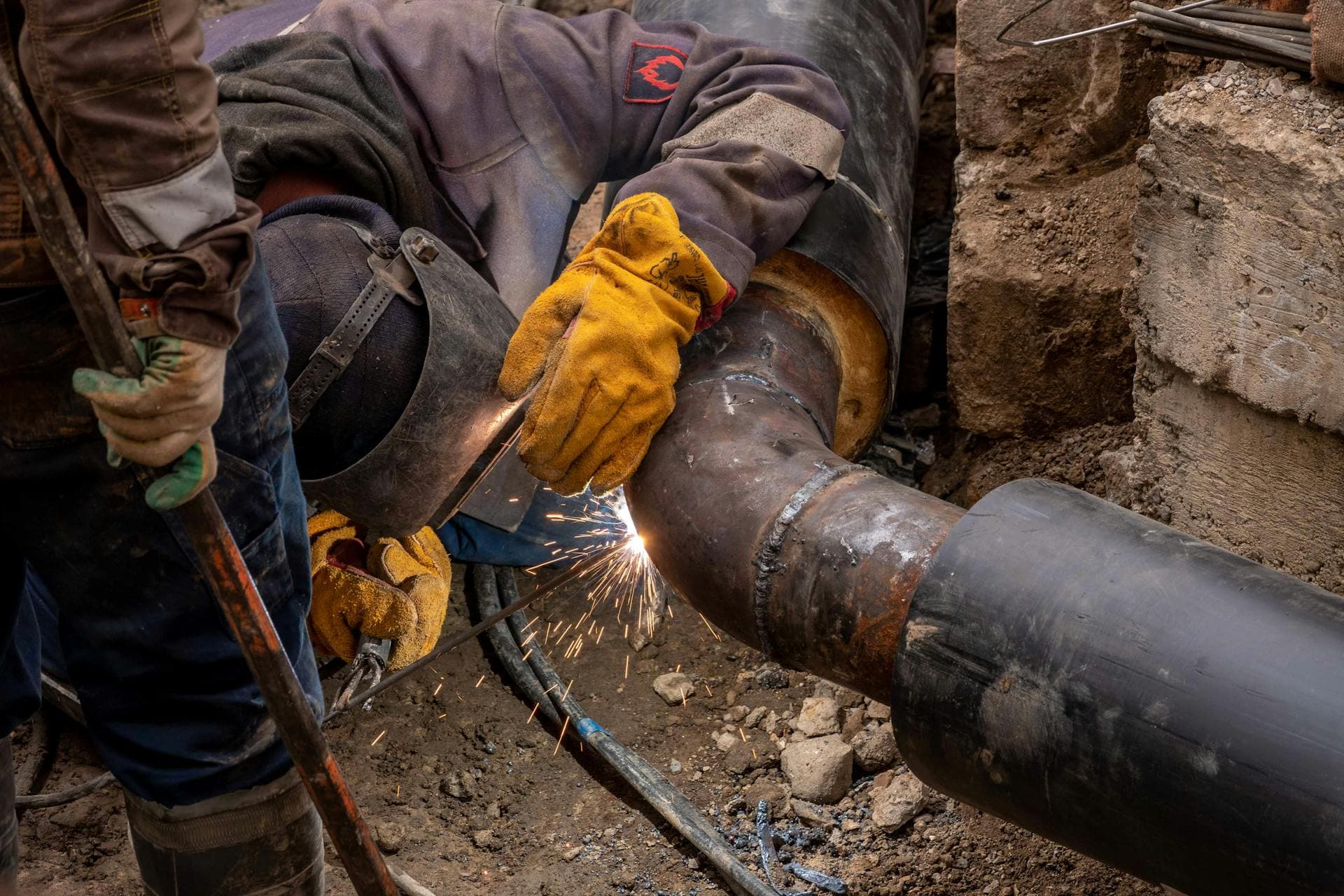
SS 316 offers excellent performance in harsh and chloride-rich environments.
Its superior durability reduces maintenance and replacement requirements.
It is suitable for pharmaceutical and food-grade applications where hygiene is critical.
The material performs reliably under elevated operating temperatures.
SS 316 can be:
- welded
- cut
- formed
- fabricated
using conventional industrial methods.
Major Benefits
- Superior corrosion resistance
- Longer service life
- Excellent hygiene
- High temperature resistance
- Strong fabrication performance
Procurement Tip
While SS 316 has a higher upfront cost than SS 304, it often delivers lower lifecycle costs in corrosive environments.
Common Applications of SS 316
SS 316 is commonly used in industries where corrosion resistance is a critical requirement.
Industrial Uses
- Process piping
- Storage tanks
- Heat exchangers
- Chemical reactors
- Sterile processing equipment
- Storage vessels
- Clean-room systems
- Shipbuilding components
- Dock hardware
- Offshore platforms
- Coastal infrastructure
- Pumps
- Valves
- Filtration equipment
- Treatment systems
- Processing equipment
- Mixing tanks
- Production lines
SS 316 vs SS 304 Comparison
One of the most common questions from industrial buyers is whether SS 316 is worth the additional cost.
The answer depends on the operating environment and expected exposure to chlorides, chemicals, and moisture.
| Feature | SS 304 | SS 316 |
|---|---|---|
| Corrosion Resistance | Excellent | Superior |
| Chloride Resistance | Moderate | Excellent |
| Marine Use | Limited | Excellent |
| Chemical Resistance | Good | Excellent |
| Cost | Lower | Higher |
| Food Grade | Yes | Yes |
Choose SS 304 For
- Indoor industrial use
- General fabrication
- Cost-sensitive projects
Choose SS 316 For
- Chemical processing
- Marine environments
- Pharmaceutical facilities
- Coastal installations
Procurement Considerations
When purchasing SS 316 products, buyers should verify several factors.
Always request:
- MTC 3.1 Certificate
- Grade Verification Reports
- Heat Number Traceability
Confirm:
- thickness
- width
- length
- pipe diameter
- surface finish
Choose suppliers that provide:
- ready stock availability
- multiple product forms
- technical guidance
- consistent quality standards
Common Product Forms
- SS 316 Sheets
- SS 316 Plates
- SS 316 Pipes
- SS 316 Tubes
- SS 316 Flanges
- SS 316 Fittings
- SS 316 Flat Bars
Industry Standard
Always verify material certifications and grade markings before accepting delivery.
Frequently Asked Questions
What is Stainless Steel 316?
SS 316 is a chromium-nickel-molybdenum stainless steel known for superior corrosion resistance.
Why is SS 316 better than SS 304?
The addition of molybdenum provides better resistance against chlorides, chemicals, and marine environments.
Is SS 316 food grade?
Yes. SS 316 is widely used in food processing and pharmaceutical industries.
Is SS 316 suitable for seawater?
SS 316 performs significantly better than SS 304 in marine and coastal environments.
Need Stainless Steel Products?
Ready stock • Bulk supply • Multiple grades • Technical assistance
Request a Quotationadvancesteelindia@gmail.com